A Comprehensive Guide to Septic System Troubleshooting: From Diagnosis to Solution Feb 21, 2026
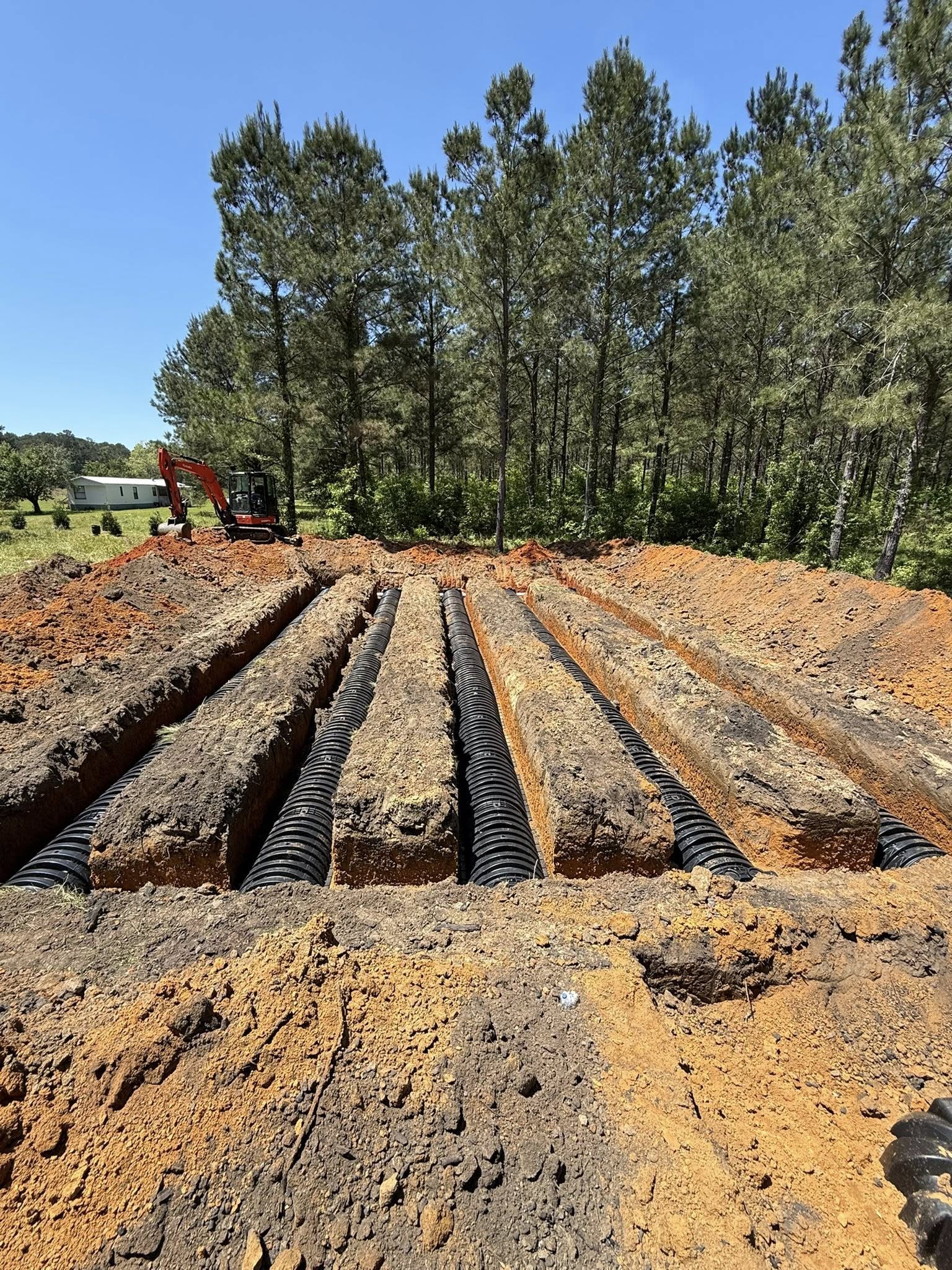
Understanding your septic system is the first step in effective troubleshooting. A typical septic system consists of a tank that collects waste and wastewater from your home, and a drain field where the water is naturally filtered. Knowing how these components work together is crucial because it allows you to identify where problems might arise and take appropriate action.
One of the most common septic system problems is slow draining fixtures. If you notice that sinks, toilets, or showers are draining more slowly than usual, it could indicate a clog either in the plumbing or in the septic system itself. Start by checking individual fixtures to ensure they're free of debris. If the problem persists, it might be time to investigate the tank. An overfull septic tank often causes slow drains, so regular pumping is essential to prevent build-up that could clog the system.
Another frequent concern is the presence of unpleasant odors either around the house or near the drain field. Persistent septic odors typically suggest that there could be a leak or that the tank requires cleaning. Ensure all lids and covers on your septic system are securely fastened, which helps contain odors. Additionally, check that the drain field is functioning properly, as a failure in this component can also lead to unwanted smells.
Septic system backups are among the most dreaded problems homeowners can face. A backup usually indicates a significant issue, such as a clog in the main sewer line, an overfull tank, or an obstruction in the drain field. If you experience a backup, it's crucial to stop using water immediately to prevent further damage and consult a professional. Regular maintenance, including pumping and inspections, can often prevent these severe issues altogether.
Another step in troubleshooting is to monitor for puddles or overly lush grass near your drain field, which can indicate system overload or a failing drain field. Excessive water usage or leaks can saturate the area, preventing proper drainage. Reducing water usage and repairing any leaks can often resolve minor issues. However, significant pooling may require professional attention to assess and repair potential damage to the drain field.
Ultimately, the key to a well-functioning septic system is preventative maintenance and early intervention. Regularly scheduled inspections and septic tank pumping are crucial to maintaining a healthy system. At Earthworks Septic LLC, we recommend a thorough inspection every three years, with pumping occurring every three to five years, depending on the size of your household and septic tank.
In conclusion, understanding your septic system's operations and addressing small issues before they escalate can save time and money. If you're unsure or require professional assistance, don't hesitate to reach out to the experts. Our team at Earthworks Septic LLC is always here to provide reliable and experienced service to keep your septic system running smoothly. Remember, a well-maintained septic system is not only essential for household convenience but also for the protection of our environment.
/filters:no_upscale()/filters:format(webp)/media/4fb7ec80-3954-435a-853b-161c689a770c.jpeg)
/filters:no_upscale()/filters:format(webp)/media/4514eadf-5ed4-4917-817d-429e11a0cbbb.jpeg)