Everything You Need to Know About Installing a New Septic System Dec 27, 2025
First, let's discuss why a septic system is necessary. Septic systems are used in areas where standard sewer systems are not available. They treat and dispose of household wastewater onsite, which includes water from bathrooms, kitchens, and laundering. A properly installed septic system protects both your property and the surrounding environment from contamination, making it crucial to get it right the first time.
Before installation, the first step is understanding local regulations and securing the necessary permits. Different regions have varying requirements, which can affect the system's design and placement on your property. Contacting a professional septic service provider like Earthworks Septic LLC can help you navigate these regulations and ensure you comply with all legal requirements.
Next, let's talk about the design and planning of your septic system. The design is influenced by factors such as soil type, water table level, and the size of the property. A percolation test, or "perc test," assesses how well the soil can filter wastewater, which is crucial for determining the suitability of the site. Your septic service provider will typically conduct this assessment to inform the system's design.
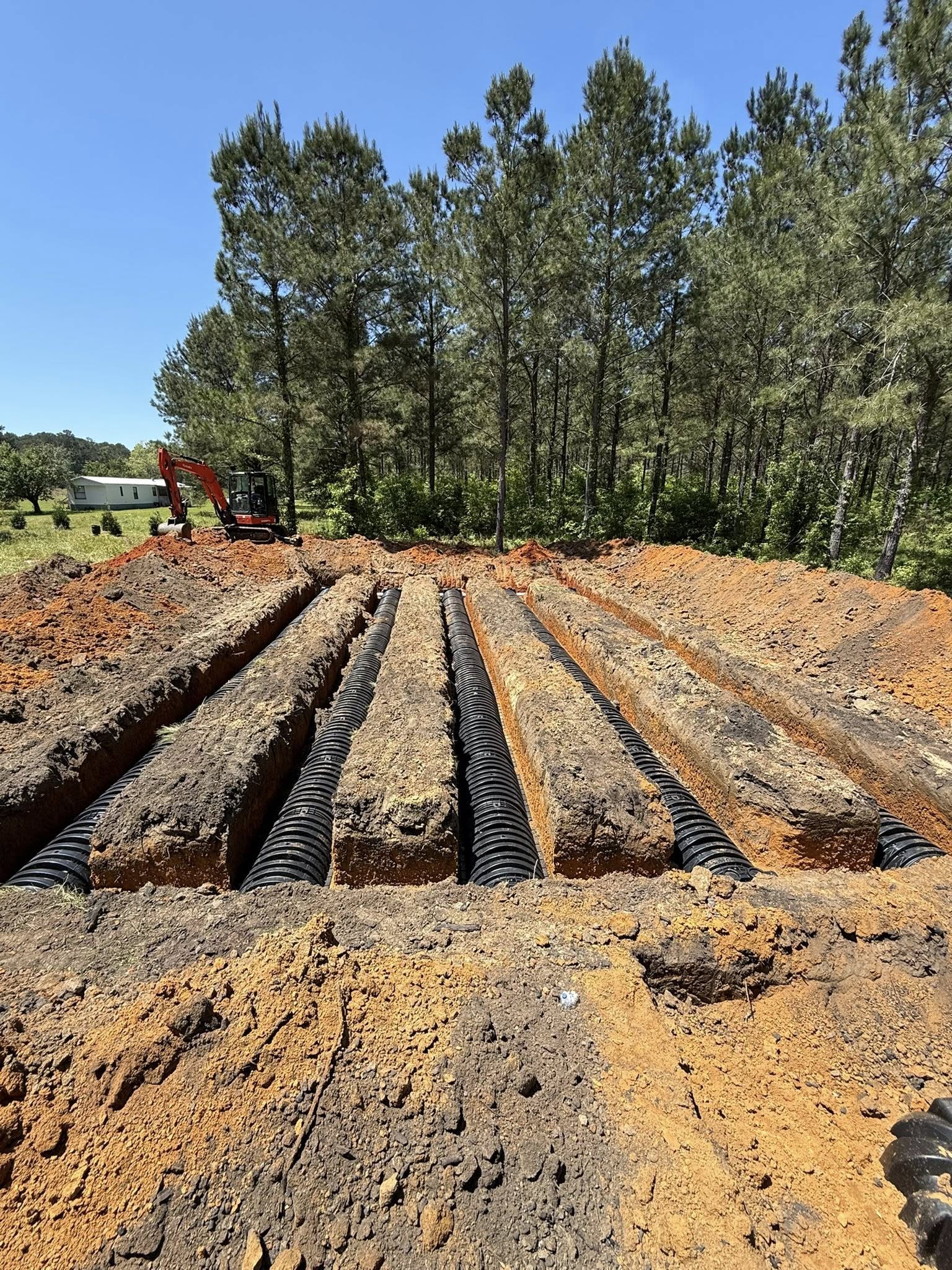
Once the preliminary steps are completed, the installation process begins. A typical septic system comprises a septic tank and a drain field. The septic tank is usually made of concrete, fiberglass, or plastic and acts as a watertight container that separates solid waste from liquid. The treated liquid then passes through pipes into the drain field, which further filters the wastewater before it reaches groundwater.
Installation involves excavation, careful component placement, and connecting the system to the household plumbing. This stage is best handled by professionals to ensure everything is installed correctly and efficiently. At Earthworks Septic LLC, our experts use advanced tools and follow industry best practices to ensure the installation is smooth and meets all technical standards.
After installation, maintenance is key to extending the life of your septic system. Regular inspections and pumping ensure the system continues to function optimally. Most tanks should be pumped every three to five years, depending on usage and the size of your household. Additionally, practicing good habits such as avoiding flushing non-biodegradable waste and using septic-safe cleaning products can help maintain your system’s efficiency.
In summary, installing a new septic system is a multi-faceted process that involves understanding regulations, site assessments, careful installation, and ongoing maintenance. Working with a professional like Earthworks Septic LLC ensures you receive expert guidance every step of the way, from planning through to installation and future care.
Whether you’re replacing an old septic system or starting fresh, proper installation and maintenance are essential for effective waste management and environmental protection. For more information or to get started on your septic system project, contact Earthworks Septic LLC. We're here to make the process as seamless and efficient as possible.
/filters:no_upscale()/filters:format(webp)/media/4fb7ec80-3954-435a-853b-161c689a770c.jpeg)
/filters:no_upscale()/filters:format(webp)/media/4514eadf-5ed4-4917-817d-429e11a0cbbb.jpeg)