How to Avoid Common Septic System Clogs and Backup Issues Jul 14, 2026
Understanding how a septic system works is the first step in preventing issues. Essentially, septic systems treat and disperse wastewater from household plumbing produced by bathrooms, kitchen drains, and laundry activities. When waste enters your septic tank, solids settle to the bottom, and liquid effluent flows out into the drainfield. Over time, however, sludge can build up, causing clogs and backups. Regular maintenance and mindful usage are critical to avoiding these problems.
One of the biggest contributors to septic system clogs is non-biodegradable items being flushed or drained. To prevent clogs, it's imperative to avoid flushing items such as paper towels, wipes, feminine hygiene products, or excessive amounts of chemical-based cleaners. Unlike toilet paper, these items do not break down in the tank and can cause blockages that lead to backups.
Water conservation is another key factor in preventing septic system issues. Overloading your system with excessive water can hinder solid waste from properly settling, increasing the chances of a backup. Homeowners should repair leaks promptly, install low-flow fixtures, and spread out water usage to prevent system overloads. By managing water use efficiently, your septic system can process waste effectively without stress.
Routine maintenance is fundamental to keeping your septic system in good condition. Earthworks Septic LLC recommends having your septic tank pumped every three to five years. This regular service removes excessive sludge accumulation and helps prevent clogs. Our team is equipped to inspect the system for potential problems during these maintenance visits, offering repairs or recommendations if needed.
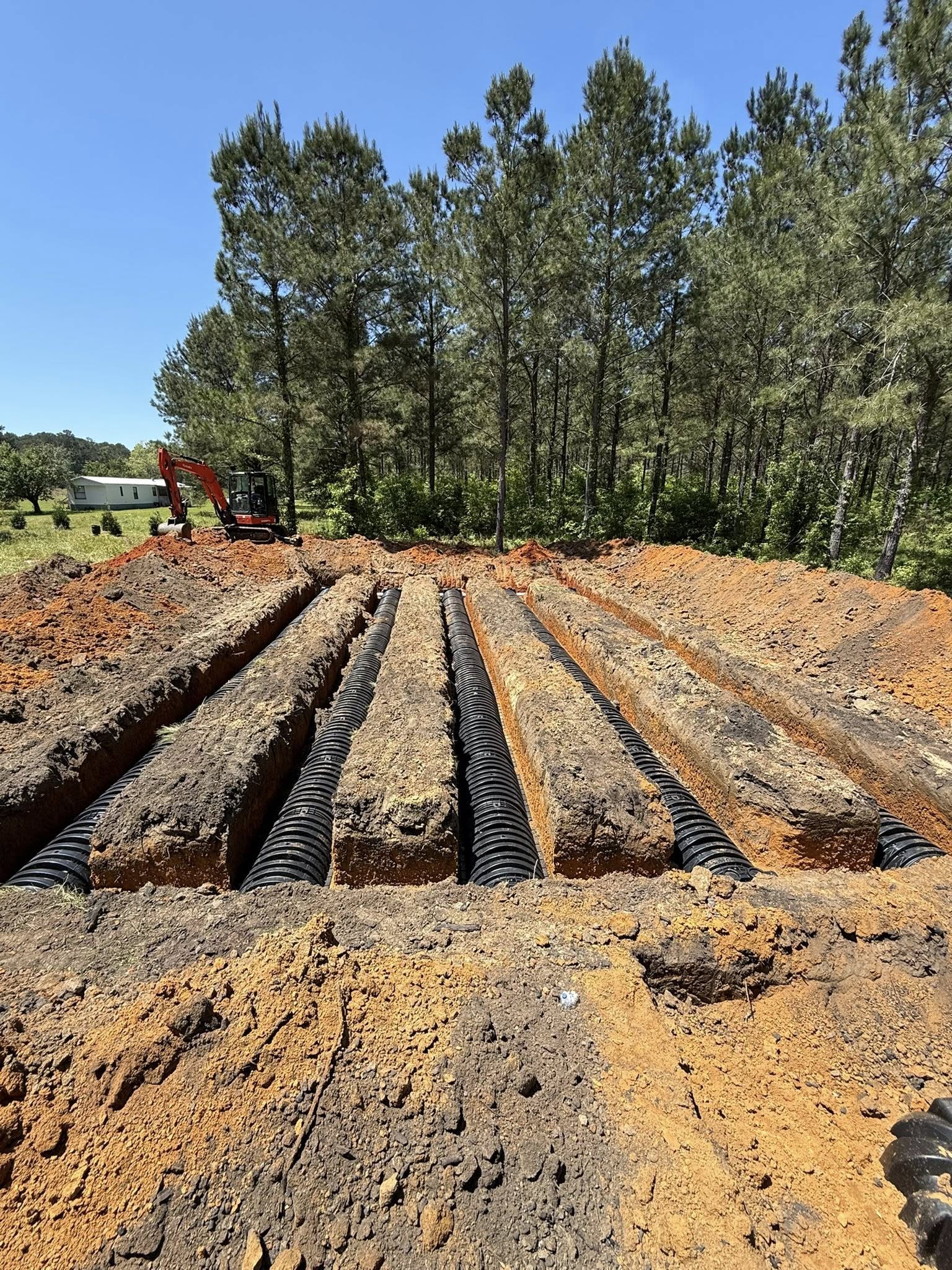
Equally important is protecting your drainfield, as it plays a vital role in wastewater treatment. Avoiding heavy vehicle traffic or planting trees over the drainfield can prevent soil compaction and root intrusions, both of which can damage your system. Keeping this area clear and well-maintained ensures that your system can effectively handle household waste.
Lastly, educating household members, especially children, about what can and cannot go down the drain is an effective strategy for maintaining a healthy septic system. Clear communication about the impacts of various household items on your septic system can go a long way in preventing costly repairs.
In conclusion, preventing common septic system clogs and backups involves mindful practices regarding what enters your system and how well you maintain it. Regular use of professional services, like those offered by Earthworks Septic LLC, combined with a diligent approach to what goes down your drains, can keep your septic system functioning efficiently for many years. By adhering to these simple tips, you protect your home investment and contribute to environmental sustainability. If you have any concerns about your septic system or need professional maintenance, don't hesitate to contact Earthworks Septic LLC for expert assistance.
/filters:no_upscale()/filters:format(webp)/media/4fb7ec80-3954-435a-853b-161c689a770c.jpeg)
/filters:no_upscale()/filters:format(webp)/media/4514eadf-5ed4-4917-817d-429e11a0cbbb.jpeg)