Septic System Failures: Common Causes and How to Prevent Them Jun 27, 2026
A septic system failure can stem from various factors, but many issues boil down to improper usage and lack of regular maintenance. One of the most prevalent causes is the overloading of the system. Septic systems are designed to handle a specific amount of wastewater, and exceeding this limit, often due to frequent use of dishwashers or laundry machines in a short period, can lead to system overloads. To prevent this, it’s advisable to spread out water usage throughout the day and week, avoiding high water-usage activities simultaneously.
Another common culprit of septic failures is the introduction of non-biodegradable materials into the system. Items such as wipes, diapers, or even excessive amounts of toilet paper can cause blockages in the pipes leading to or from the septic tank. Emphasizing to household members the importance of only flushing biodegradable waste and toilet paper can mitigate these types of obstructions. Regular pumping out of solids from the septic tank, typically every 3 to 5 years, depending on usage, also plays a vital role in maintaining system efficiency.
The natural environment surrounding your septic system plays a crucial role in its performance. Tree roots are a notorious cause of damage to septic systems, as they can infiltrate pipes and tanks in search of moisture. To prevent such root intrusions, ensure that your septic system is installed away from trees and shrubs. If there are plants already in close proximity to your system, consider removing them or consulting with a professional to mitigate their impact.
Additionally, chemical products like bleach, paint, and harsh drain cleaners can disturb the bacteria that break down waste in your septic tank. Your septic system relies on beneficial bacteria to decompose solid waste, and the introduction of non-septic-safe chemicals can hinder this process. To preserve the delicate balance within your tank, opt for biodegradable cleaning agents and minimize the use of harsh chemicals.
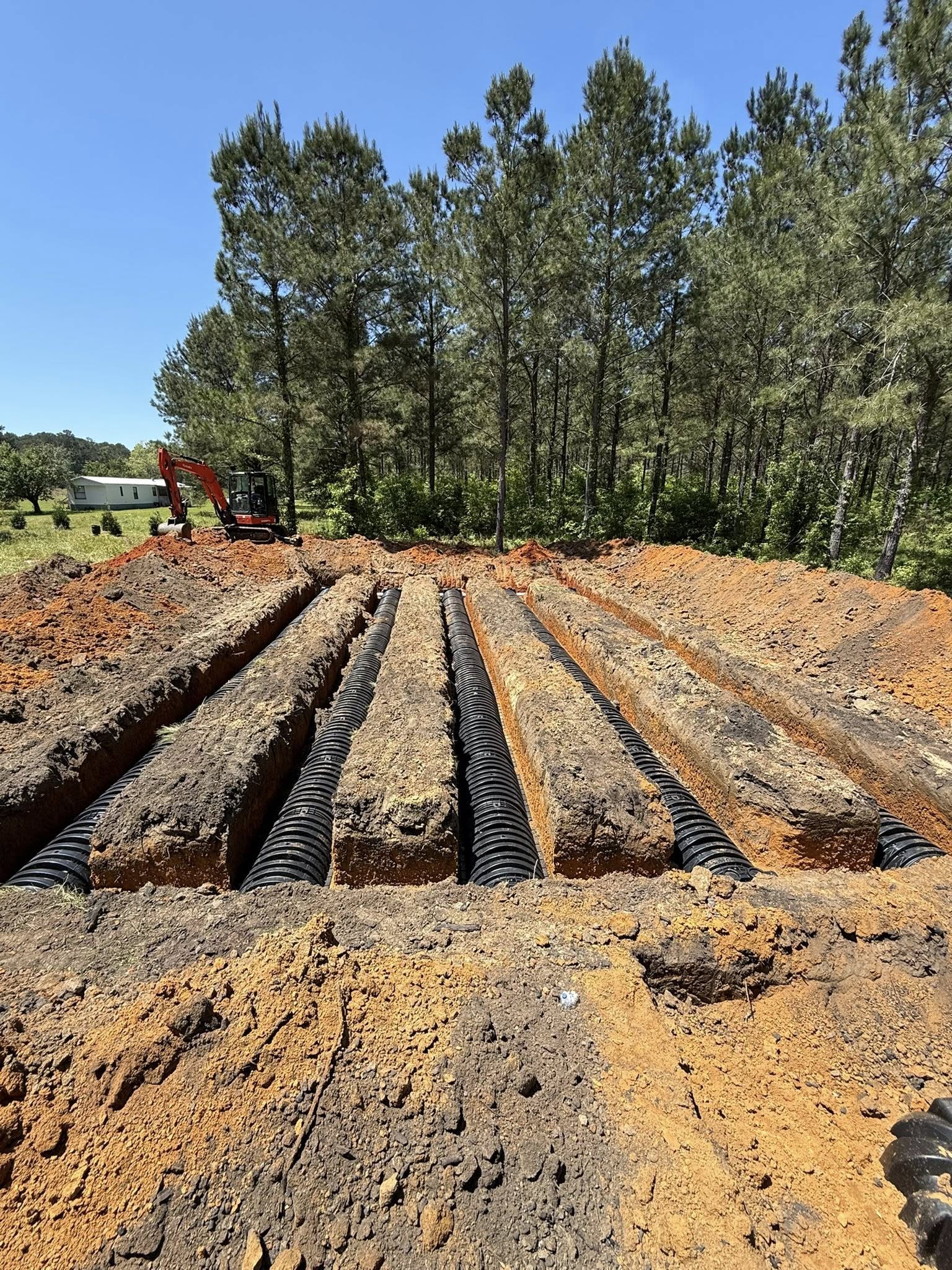
Lastly, the health of your drain field cannot be overlooked. A saturated or compacted drain field can’t properly release liquids from the septic tank, leading to backups. Regularly inspect and maintain your drain field’s integrity, keeping heavy vehicles and large objects off the area to prevent soil compaction. Ensure your gutters and downspouts direct water away from the drain field to avoid saturation from runoff.
In conclusion, recognizing the signs of septic system failure and taking preventative measures can save money and frustration in the long run. With proper usage and regular maintenance, your system can function efficiently, avoiding costly repairs and health hazards. At Earthworks Septic LLC, we’re committed to helping you maintain a healthy septic system. For any questions or professional assistance, don’t hesitate to contact us to ensure your peace of mind and the well-being of your home.
/filters:no_upscale()/filters:format(webp)/media/4fb7ec80-3954-435a-853b-161c689a770c.jpeg)
/filters:no_upscale()/filters:format(webp)/media/4514eadf-5ed4-4917-817d-429e11a0cbbb.jpeg)