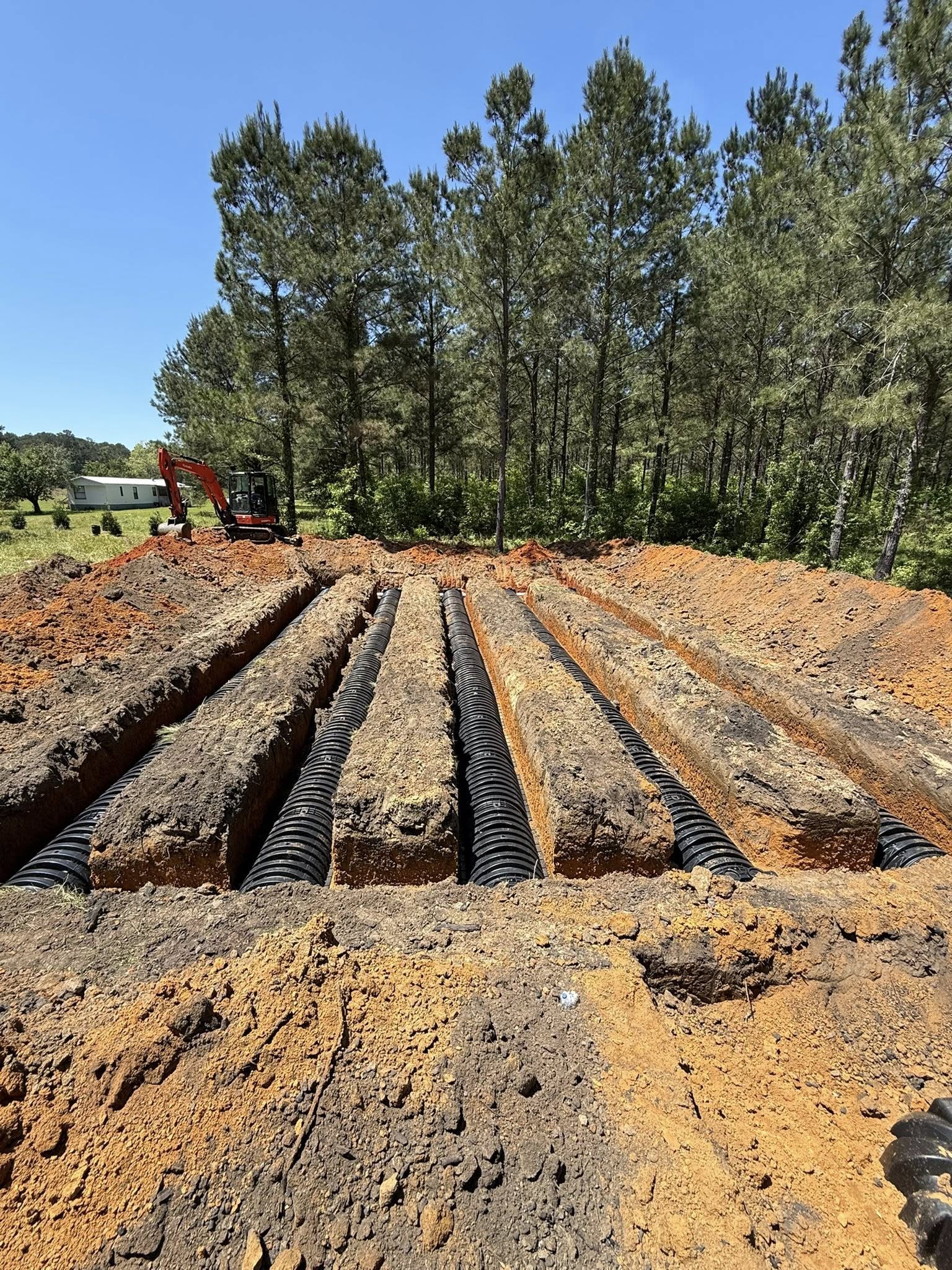
Septic Systems for Different Soil Types: Choosing the Right Design for Your Property Apr 01, 2026
Understanding Soil Types
The first step in choosing the right septic system is understanding the soil type present on your property. Soils can generally be classified into four categories: sandy, loamy, clayey, and silty. Each type has distinct characteristics affecting water drainage, permeability, and nutrient absorption.
Sandy soils, known for their excellent drainage, are often preferred for conventional septic systems due to their ability to filter and distribute wastewater efficiently. However, they may not effectively prevent groundwater contamination due to high permeability.
Loamy soils are a balanced mixture of sand, silt, and clay, making them ideal for septic systems. They provide decent filtration while retaining enough moisture and nutrients to support bacterial growth essential for breaking down waste.
Clay soils, on the other hand, have poor drainage and are often waterlogged. They are least suitable for standard septic systems as they can impair wastewater dispersal and treatment, often necessitating alternative solutions like mound systems.
Silty soils, which have fine particles and hold water better than sandy soils, sometimes require careful design considerations to ensure proper drainage and aeration.
Choosing the Right Septic System
Once you have identified your soil type, choosing the appropriate septic system becomes more straightforward. Here’s a quick breakdown of septic system options tailored to different soil characteristics:
For sandy soils, a conventional gravity-fed system could be effective, but consider adding features that enhance filtering, such as a sand filter to mitigate the risk of groundwater contamination.
For loamy soils, traditional septic systems are often ideal. These systems can efficiently handle wastewater due to the loam’s excellent filtration and drainage capabilities.
In areas with clay soils, where drainage is a challenge, mound systems or drip distribution systems may be necessary. These alternatives raise the soil surface or use pressure to distribute wastewater more evenly and allow for proper aeration and treatment.
If your property has silty soil, consider an aerobic treatment unit. These systems introduce air into the treatment process, facilitating the better breakdown of organic material and improving treatment performance.
Consulting with Earthworks Septic LLC Professionals
Deciding on the right septic system design involves more than merely knowing your soil type; it requires professional insight and expertise. At Earthworks Septic LLC, we offer comprehensive soil assessments and consultations to guide you through selecting and installing the best system for your property. Our experienced team is well-versed in local regulations and equipped through the process, ensuring your system not only meets environmental standards but also delivers optimal performance.
In conclusion, aligning your septic system choice with your soil type is essential for efficiency and environmental compliance. With Earthworks Septic LLC by your side, you can ensure that your septic solution is tailored to meet both your needs and those of the local ecosystem. Whether you're upgrading, replacing, or installing a new septic system, our experts are here to help every step of the way.
/filters:no_upscale()/filters:format(webp)/media/4fb7ec80-3954-435a-853b-161c689a770c.jpeg)
/filters:no_upscale()/filters:format(webp)/media/4514eadf-5ed4-4917-817d-429e11a0cbbb.jpeg)