The Journey of Waste: From Your Home to the Septic Field Mar 06, 2026
The adventure begins in your household plumbing system. Every time you flush a toilet or run a faucet, waste and wastewater travel through pipes, led by gravity, towards your septic tank. This underground component is vital as it serves as the primary treatment facility. It's here that the heavy solids, often termed as sludge, settle at the bottom, while oils and lighter solids form a layer known as scum on top.
In the septic tank, naturally occurring bacteria break down the organic matter in the waste. This biological process reduces the volume of the waste material and minimizes potential odors, keeping the system functioning smoothly. This degradation process makes the septic tank an essential part of your waste management, ensuring that what leaves it as effluent is considerably less harmful to the environment.
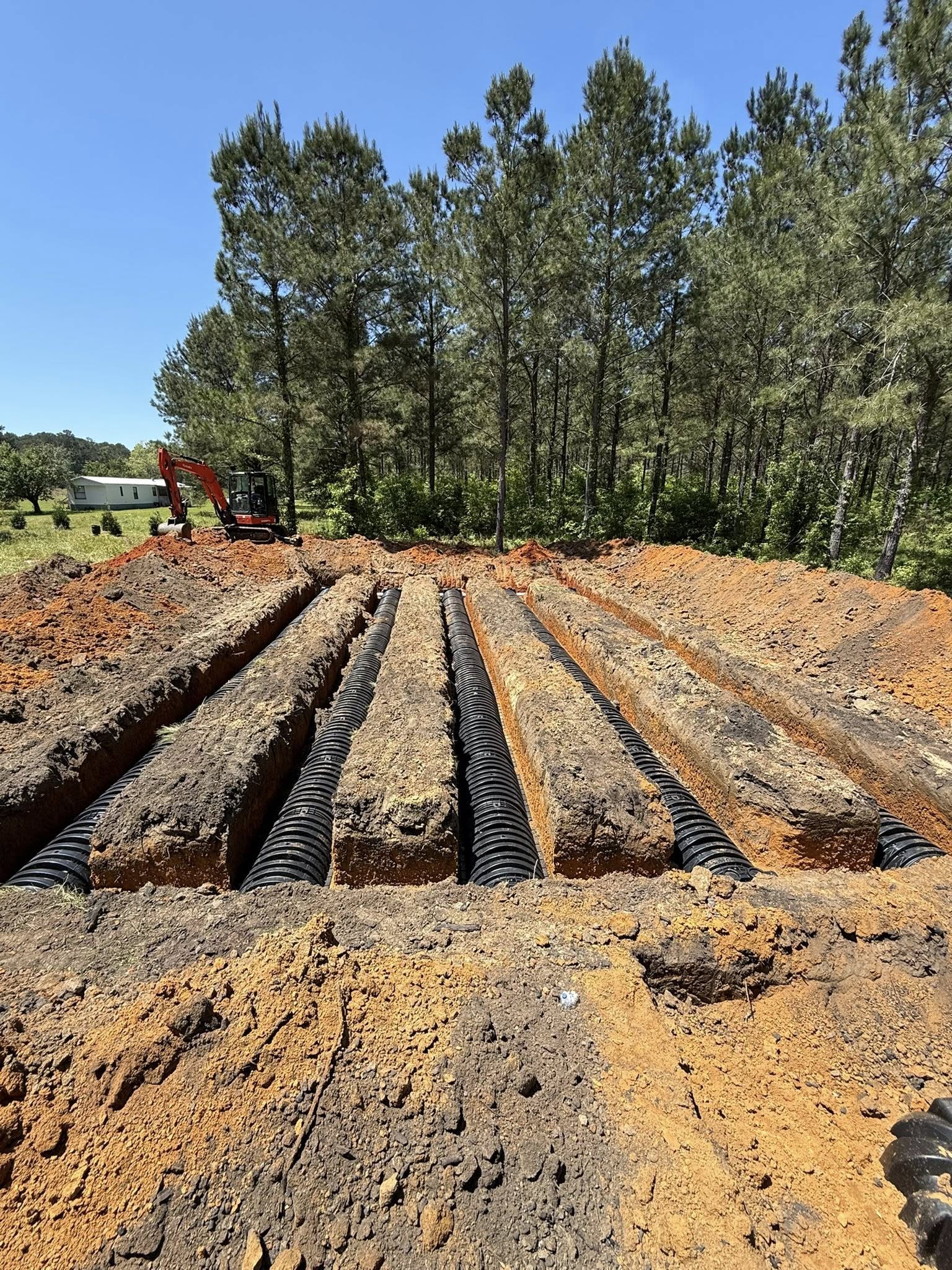
Once the effluent leaves the septic tank, it makes its way to the drain field, often referred to as the leach field. This journey is crucial, as the drain field acts like a natural filter, dispersing the treated wastewater into the soil. The soil layers further purify the effluent, removing harmful bacteria and nutrients, which helps safeguard nearby water sources from contamination.
Understanding the soil's role is vital. Appropriate soil absorption is necessary for the drain field to function effectively, preventing issues such as backups or soil saturation. Regular inspection and maintenance by professionals, like those at Earthworks Septic LLC, can help ensure the soil maintains its filtering capabilities and that your system remains in top condition.
Over time, even the best-maintained systems develop a layer of sludge that can interfere with the process if not regularly pumped out. Routine pumping is essential to prevent the septic tank from overflowing, which could back waste into your home or seep inefficiently into the drain field.
While this waste journey is automatic for many people, being mindful of what you flush can significantly impact the efficiency and longevity of your septic system. Avoid flushing non-biodegradable items, excessive grease, or harsh chemicals that could disrupt the bacterial balance within the septic tank. These small changes make a big difference in system performance and environmental health.
In conclusion, the waste journey from your home to the septic field is a fascinating flow of engineering and nature working in harmony. For homeowners, understanding each stage of this transition can lead to better maintenance practices and awareness of septic health. Earthworks Septic LLC is committed to helping you maintain an efficient system, ensuring your wastewater disposal is both cost-effective and environmentally friendly. Trust us to guide you through your septic system needs, providing peace of mind with every flush.
/filters:no_upscale()/filters:format(webp)/media/4fb7ec80-3954-435a-853b-161c689a770c.jpeg)
/filters:no_upscale()/filters:format(webp)/media/4514eadf-5ed4-4917-817d-429e11a0cbbb.jpeg)