The Science Behind Septic Systems: How They Work and Why It Matters Feb 09, 2026
At the heart of every septic system is the septic tank, an underground chamber typically made from concrete, fiberglass, or polyethylene. Wastewater from households flows into the septic tank, where gravity plays an essential role. Solid materials settle at the bottom to form sludge, while oils and fats float to the top as scum. The middle layer of relatively clear water is known as effluent.
The real magic happens when anaerobic bacteria begin to break down the organic waste in the tank. These bacteria thrive in environments devoid of oxygen, working diligently to decompose solids into simpler compounds. This natural process reduces the volume of waste, preventing the septic tank from filling up too quickly. For this process to be effective, regular septic tank pumping is essential to remove excess sludge and scum, which can otherwise lead to blockages and system failures.
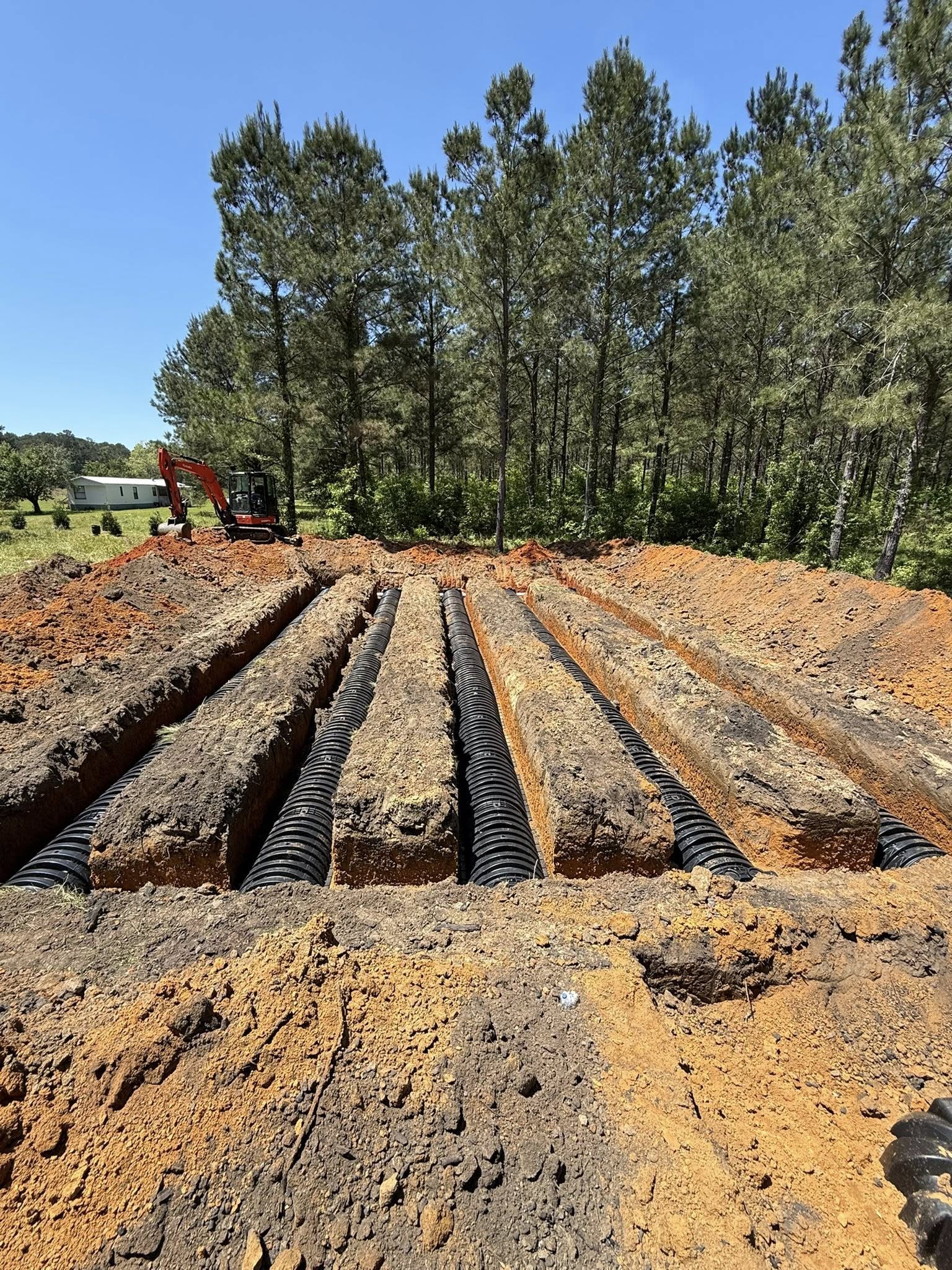
Once the effluent leaves the septic tank, it travels through the outlet pipe and enters the drain field or leach field. The drain field is a network of perforated pipes laid in gravel-lined trenches, buried several feet below the ground. Here, aerobic bacteria, which require oxygen to survive, continue the treatment process. As the effluent percolates through the soil, these bacteria break down remaining pathogens and nutrients, effectively purifying the water before it reaches the groundwater.
Properly functioning septic systems are critical not only for individual homes but also for the surrounding ecosystem. They prevent untreated wastewater from seeping into the environment, where it could contaminate local water sources, posing health risks and harming wildlife. When managed properly, septic systems contribute to environmental sustainability and public health by ensuring that waste is processed safely and efficiently.
Moreover, understanding the importance of regular maintenance can save homeowners from expensive repairs or replacements. Simple practices, like conserving water and avoiding flushing non-biodegradable items, can keep the system running smoothly. Encouraging the use of biodegradable and septic-safe cleaning products ensures that beneficial bacteria remain unharmed and operational within the system.
For customers of Earthworks Septic LLC, trust in professional septic services is integral. Regular inspections and timely maintenance services provided by experts can identify potential problems before they escalate. Moreover, expert advice on system upgrades can enhance performance, accommodating household changes or growing needs.
In conclusion, septic systems are a blend of biology and engineering, working silently to manage waste responsibly. Homeowners who understand the science behind these systems are better equipped to maintain them. By adopting mindful practices and relying on professional services like those offered by Earthworks Septic LLC, you contribute not only to your own home but also to the health of the community and the environment. Investing in routine maintenance and consulting professionals are key steps in preserving the functionality and longevity of your septic system.
/filters:no_upscale()/filters:format(webp)/media/4fb7ec80-3954-435a-853b-161c689a770c.jpeg)
/filters:no_upscale()/filters:format(webp)/media/4514eadf-5ed4-4917-817d-429e11a0cbbb.jpeg)