Understanding Hydraulic Load: Its Impact on Septic System Performance Jul 05, 2026
To begin, it’s important to recognize that your septic system is designed to handle a certain capacity of water. Exceeding this capacity, or hydraulic overloading, can lead to system failures, such as back-ups or overflow. This is why understanding and monitoring your household's water usage is vital.
Several factors contribute to the hydraulic load, including the number of occupants in the home, daily water habits, and high water usage appliances. Every time you take a shower, run the dishwasher, or flush the toilet, you increase the hydraulic load. During peak activity times, such as mornings and evenings, this load can spike. To mitigate potential issues, consider staggering water usage throughout the day. For instance, avoid running multiple water-intensive tasks simultaneously to help manage load effectively.
One common contributor to increased hydraulic load is incessant leaking faucets or running toilets. Though they seem minor, over time, these drips and leaks can significantly increase water flow into your septic system. Regularly inspecting and repairing leaks can help keep your hydraulic load at manageable levels. Installing low-flow fixtures is another effective measure to reduce daily water consumption and alleviate strain on the system.
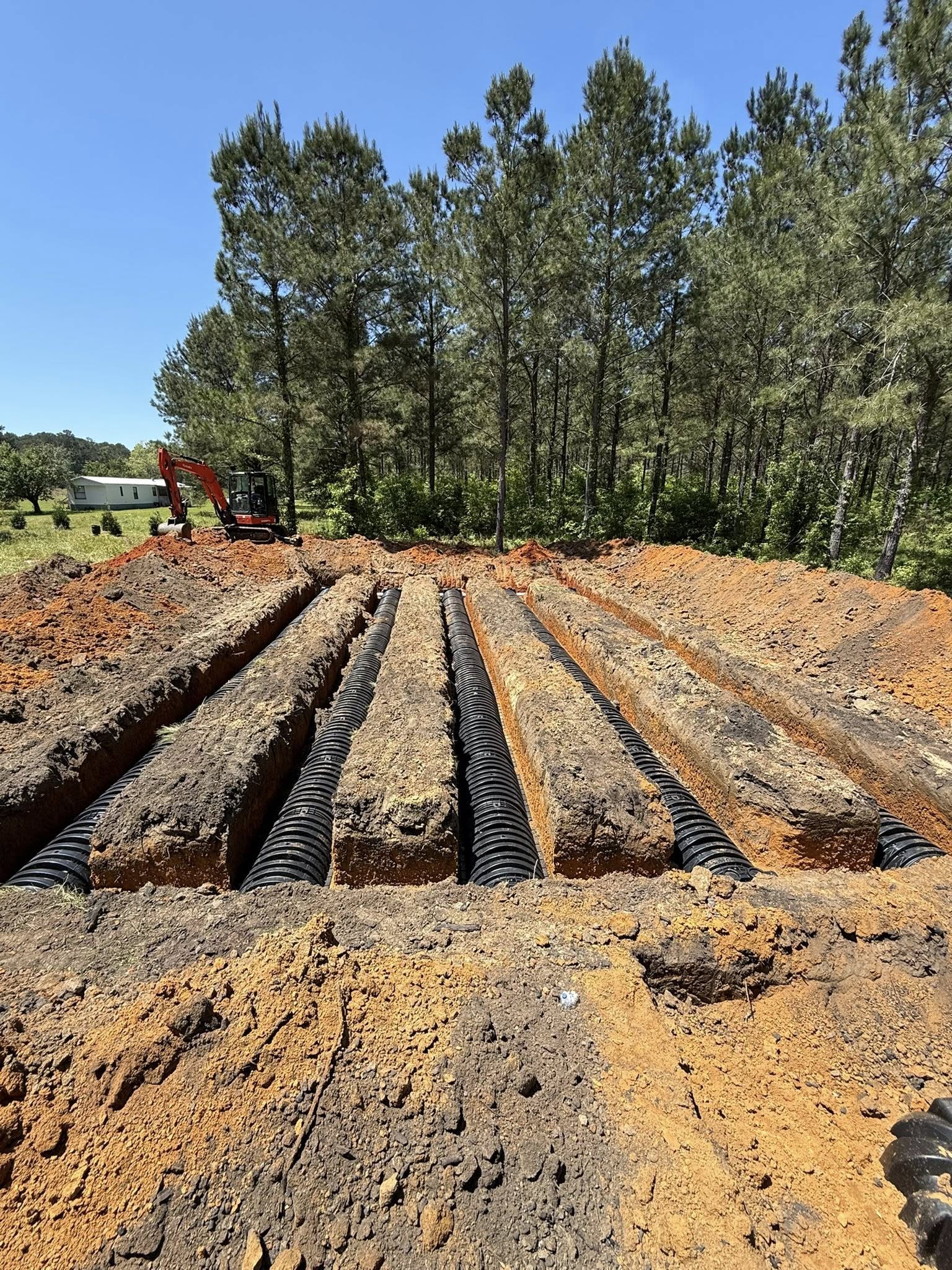
Beyond household practices, the design and maintenance of the septic system itself are pivotal. A system that is too small for the number of users it supports will struggle to manage hydraulic loads effectively. Conversely, a system worn down by age or lacking regular maintenance is prone to malfunctions under increased load. At Earthworks Septic LLC, our experienced technicians recommend scheduling routine inspections and pumping every three to five years, depending on use and system size. Regular maintenance not only optimizes the system's performance but also preempts potential problems arising from hydraulic overloads.
In addition to structural concerns, consider the impact of what enters the system. Avoid flushing non-degradable items, as these can cause blockages and contribute to hydraulic issues. Opt for septic-safe products, especially cleaning agents, to avoid inadvertently compromising your system's biological processes.
Septic systems must balance between hydraulic load and biodegradation. Overloading the system disrupts this balance, potentially allowing untreated waste to leak into the drain field. This is not just a performance issue but an environmental concern, as it can lead to soil and water contamination. Earthworks Septic LLC emphasizes the gravity of such risks, which underscores the necessity for diligent water management and regular professional maintenance.
In conclusion, understanding hydraulic load and its impact on septic system performance is essential for any homeowner relying on this independent waste management solution. By controlling water usage, maintaining your system, and being mindful of what enters the waste stream, you not only safeguard your property's plumbing but also protect the environment. For more detailed guidance and maintenance services, consult the experts at Earthworks Septic LLC. We are dedicated to helping you achieve hassle-free and efficient septic system operation.
/filters:no_upscale()/filters:format(webp)/media/4fb7ec80-3954-435a-853b-161c689a770c.jpeg)
/filters:no_upscale()/filters:format(webp)/media/4514eadf-5ed4-4917-817d-429e11a0cbbb.jpeg)