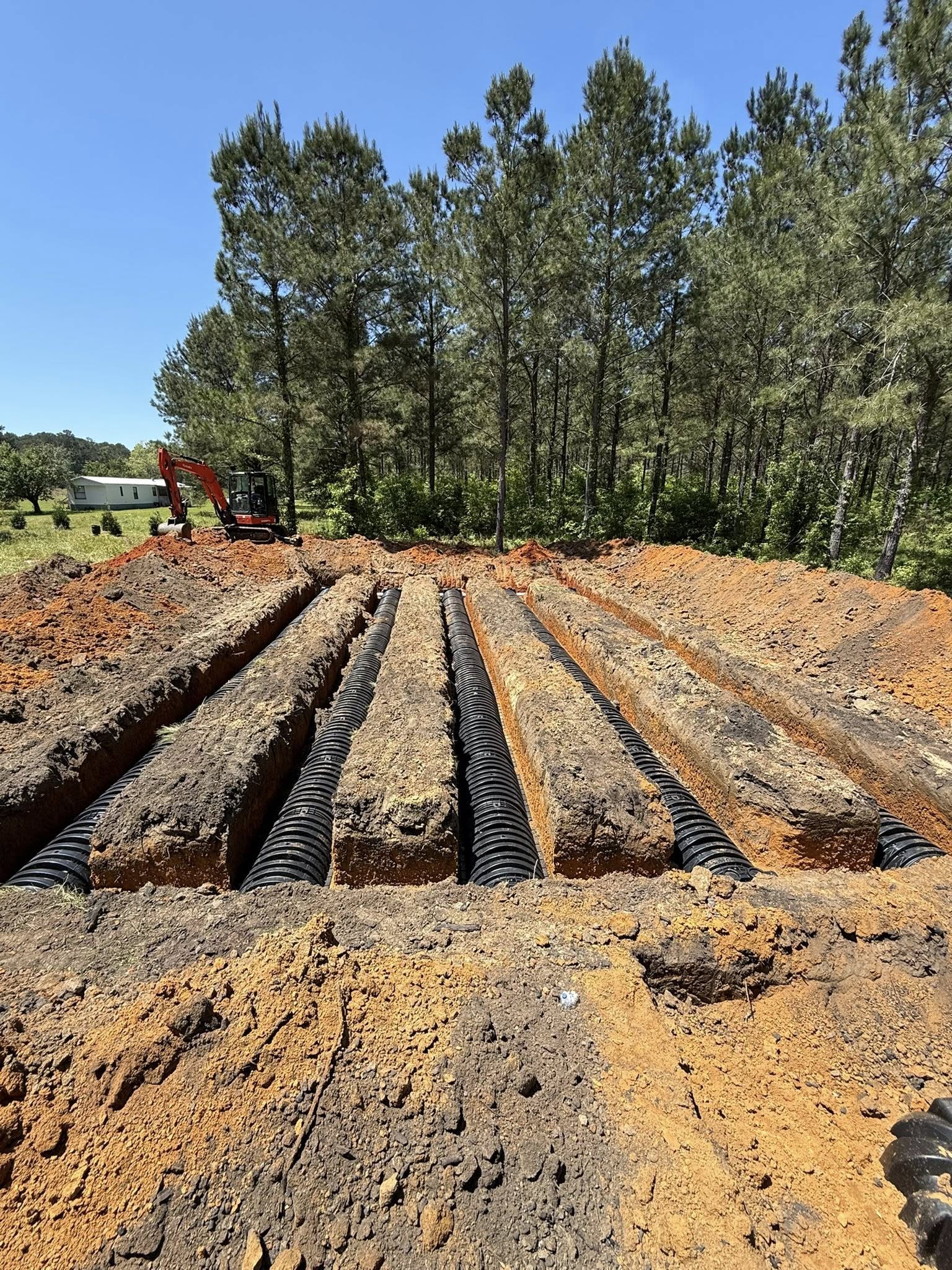
Understanding Septic System Leach Fields: What They Are and How They Work May 04, 2026
A septic system leach field, also known as a drain field, is a network of perforated pipes buried beneath the ground. Its primary role is to disperse wastewater from the septic tank into the surrounding soil. As wastewater flows through the pipes, it gradually seeps into the soil, where microorganisms break down harmful bacteria and pathogens, thus treating the water. This natural filtering process prevents contaminants from entering nearby water sources and rendering harm to the ecosystem, making the leach field a vital part of your septic system.
Understanding how a leach field works starts with how wastewater travels through the system. When you use the toilet, shower, or run the washing machine, all the wastewater flows into the septic tank. In the tank, solids settle at the bottom while oils and grease float to the top, forming a scum layer. The liquid effluent in the middle, which is predominantly water, exits the tank and moves into the leach field.
One of the key benefits of a well-functioning leach field is its ability to manage wastewater safely and sustainably. By relying on natural soil filtration, it helps prevent pollution of groundwater and local water bodies, contributing to environmental health. Additionally, a properly maintained leach field can last many years, minimizing the need for extensive repairs or costly replacements.
However, maintaining a septic system leach field requires vigilance and regular care. Overloading the system with excessive water or introducing harmful chemicals can compromise its ability to function efficiently. To avoid such issues, homeowners should be cautious about water usage and avoid flushing non-biodegradable items down the toilet. Scheduling regular inspections by professionals like Earthworks Septic LLC can help identify potential problems before they become serious.
Another critical aspect of leach field maintenance is landscaping. Grass is the most suitable type of cover for a leach field, as its roots are shallow and unlikely to damage the pipes. Trees and shrubs, on the other hand, should be planted at a safe distance to prevent roots from infiltrating the system and causing blockages.
Finally, avoiding compaction of the soil is essential to preserving the leach field's efficacy. Vehicles and heavy equipment should be kept off the area to maintain proper soil absorption. Compacted soil can impede the smooth percolation of wastewater, resulting in backups and unpleasant odors.
In conclusion, septic system leach fields are indispensable to wastewater management in homes not connected to municipal sewer systems. By understanding their functionality and taking proactive steps in maintenance, you can ensure a system that operates efficiently and protects both your property and the environment. If you suspect any issues or wish to schedule a routine inspection, reaching out to professionals like Earthworks Septic LLC can offer peace of mind and expert guidance. With proper care, your septic system can continue to serve your home reliably and safely for years to come.
/filters:no_upscale()/filters:format(webp)/media/4fb7ec80-3954-435a-853b-161c689a770c.jpeg)
/filters:no_upscale()/filters:format(webp)/media/4514eadf-5ed4-4917-817d-429e11a0cbbb.jpeg)